Pests & Diseases
Ticks: The Hidden Threat
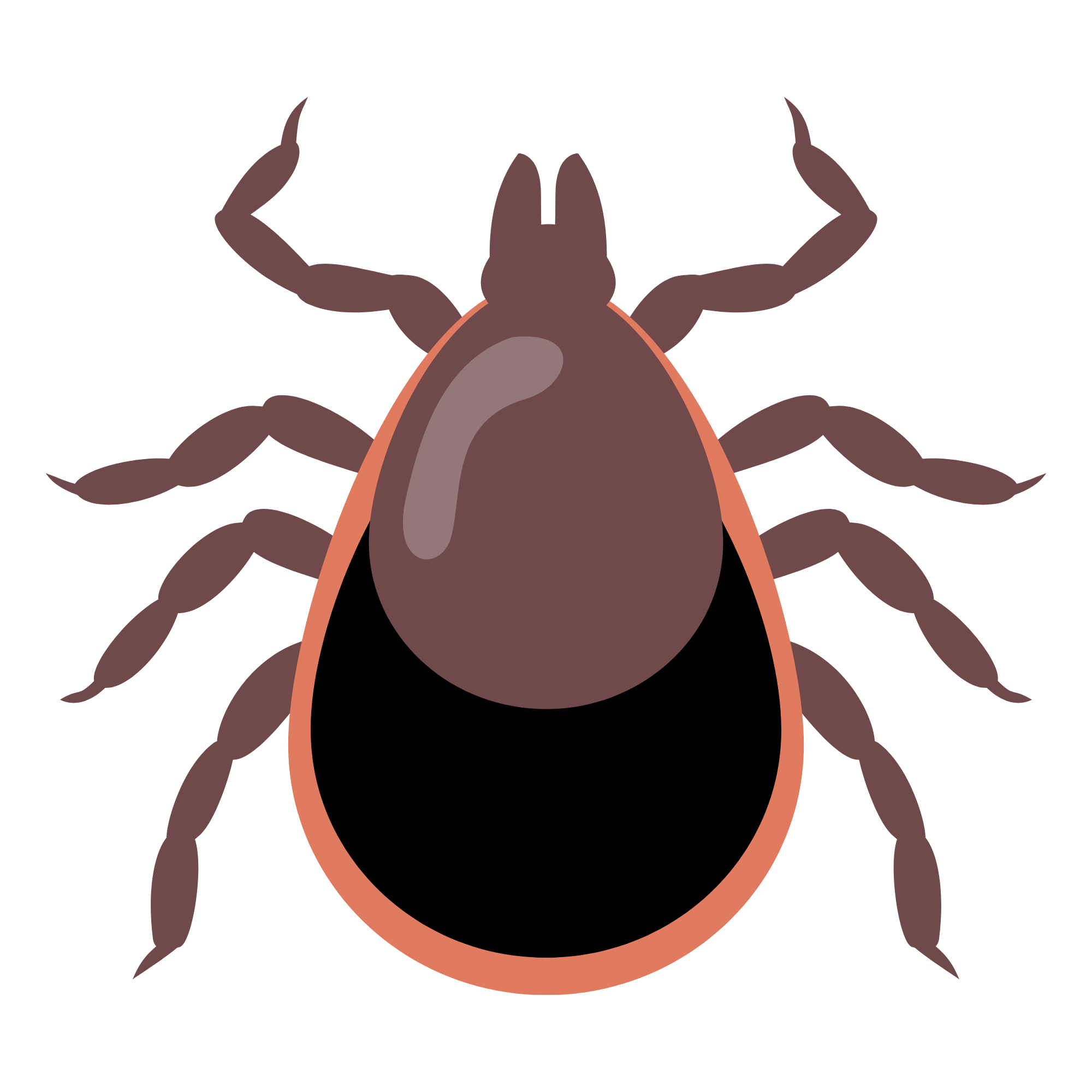
Ticks are more than just a nuisance; they are the primary vectors for several serious illnesses found right here in Pennsylvania and New Jersey.
The Northeast has some of the highest rates of tick-borne illnesses in the country. Our treatments specifically target:
Lyme Disease: Transmitted by the Black-legged (Deer) Tick. Early symptoms include fever and the "bullseye" rash.
Anaplasmosis/Babesiosis: Lesser-known but serious infections that are on the rise in our local counties.
Powassan Virus: A rare but severe tick-borne virus that can be transmitted in as little as 15 minutes after a bite.
Tularemia & Rocky Mountain Spotted Fever (RMSF): These are less common but still present in PA and NJ, typically carried by the American Dog Tick. RMSF can be rapidly fatal if not treated within the first few days.
Ehrlichiosis: Primarily spread by the Lone Star Tick, this is becoming more frequent as that species establishes itself further north into the Poconos
NEPA Tick Facts
(Source: Pike County Tick Task Force & ESU Tick Lab)
1 in 2: The current infection rate for adult deer ticks in Pennsylvania.
123+: The number of ticks in the Pike County study found to have "Co-Infections" (carrying 2 or more diseases at once).
#1 in USA: Pennsylvania consistently ranks #1 in the nation for total Lyme disease cases.
Year-Round Risk: Ticks in the NEPA area stay active as long as the temperature is above 32°F.
Helpful Links and Local Resources
Free Tick Testing for PA Residents: Submit a Tick to ESU
Local Disease Data: Pike County TBD Task Force
Mosquito Safety: NJ 'Fight the Bite' Program
Official CDC Guide: Tick-Borne Diseases of the U.S.
Mosquitoes: More Than Just an Itch
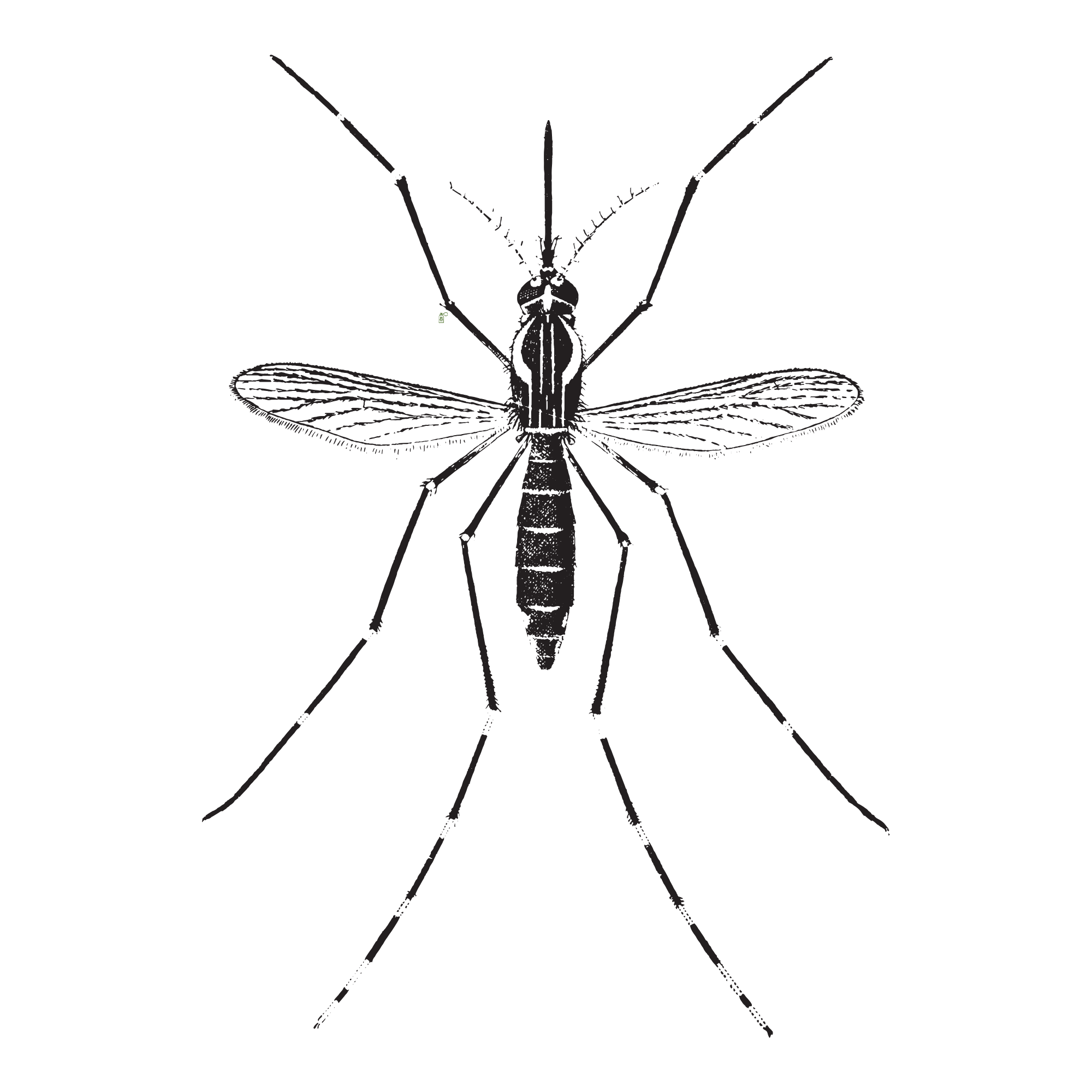
While they may seem “only” like a summer nuisance, mosquitoes are the primary carriers of several dangerous viruses and parasites in our local neighborhoods. Protecting your yard is the first step in protecting your family.
We Treat to Prevent:
West Nile Virus (WNV): The most frequent threat in our region. Pennsylvania and New Jersey often see "High Risk" levels in late summer, with positive pools found in nearly every local county.
Eastern Equine Encephalitis (EEE): A rare but very dangerous disease with a high fatality rate. It is detected annually in the Northeast, especially near the wetlands common in the Poconos and Northern NJ.
Dog Heartworm: A critical threat to pets. Mosquitoes are the only way heartworm is transmitted; a single bite can pass larvae into your dog or cat’s bloodstream.
St. Louis Encephalitis: While less common than West Nile, this virus is occasionally detected in the PA/NJ region and causes similar brain inflammation symptoms.
Jamestown Canyon Virus: An emerging virus in the Northeast spread by various mosquito species, including those active as early as late spring.
Local Mosquito Stats
300 Eggs: A single female can lay up to 300 eggs in just one "brood."
1 Teaspoon: That's all the standing water needed (like a bottle cap) for mosquitoes to breed.
August/Sept: These are the peak months for West Nile and EEE cases in the 570 area.
The "Skeeter Meter": PA often hits "High Risk" levels on the official state surveillance maps by late summer.
Help Us Help You
Dump the Water: Check flower pots, tarps, and toys after it rains. Even a bottle cap of water can breed hundreds of mosquitoes.
Gutter Maintenance: Clogged gutters are the #1 breeding ground for mosquitoes in the 570 area. Keep them clear!
Circulate Water: If you have a birdbath or pet bowl outside, refresh the water every 2–3 days to interrupt the 7-day breeding cycle.
Mosquito Surveillance & Research
PA Mosquito-Borne Disease Control Program: This is the best local resource. It features a live map where you can see exactly which NEPA counties have tested positive for West Nile Virus this week.
NJ 'Fight the Bite' (Sussex/Warren Counties): The official New Jersey resource for tracking EEE and West Nile activity across the border.
American Heartworm Society: A great resource for pet owners that explains why yard treatments are the primary defense against heartworm.
CDC Guide to Mosquito Life Cycles: Helpful for customers who want to understand why we treat every 21–30 days to break the breeding cycle.